Tracing Milestone Ladders in Digital Baccarat Reward Ecosystems
Written by Rosa Vogel · Jun 20, 2026
Tracing Milestone Ladders in Digital Baccarat Reward Ecosystems
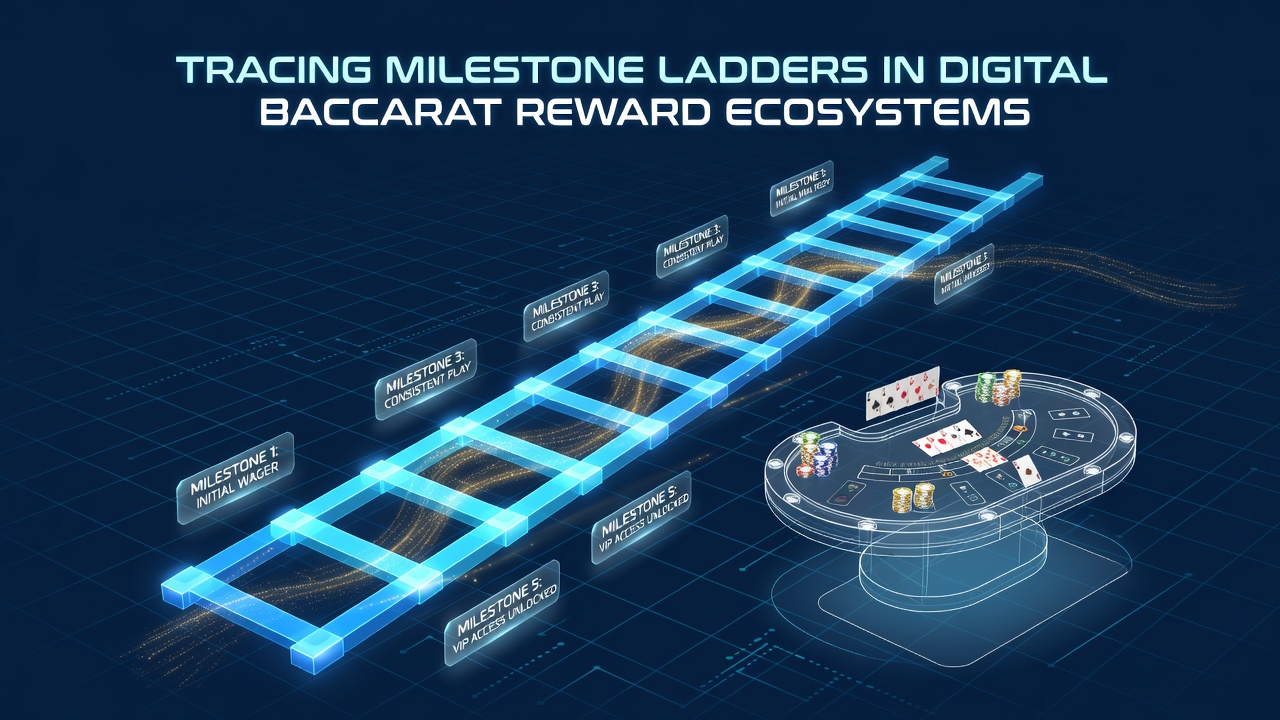
Digital baccarat platforms organize player progression through structured milestone ladders that convert gameplay volume into tiered rewards and those systems rely on continuous data collection from every hand played. Operators track metrics such as total wagers placed, session frequency, and average bet size while algorithms assign points that advance users along predefined ladders, and each rung unlocks benefits ranging from cashback percentages to exclusive table access. Research from the European Gaming and Betting Association shows these ladders now operate across multiple jurisdictions because synchronized data streams allow operators to maintain consistent progression rules even when players switch devices or regions.
Mechanics Behind the Ladders
Each ladder consists of sequential tiers where players accumulate points at rates determined by their activity level, and reaching a new tier automatically activates the associated reward without manual intervention. Points typically reset or carry over according to platform-specific rules, while bonus multipliers increase at higher tiers to encourage continued engagement. Observers note that the structure mirrors traditional loyalty programs yet operates at higher speed because digital environments record every transaction in real time and adjust ladder positions within seconds of completed rounds.
Software platforms segment players into separate ladders based on initial deposit size or historical volume, and this segmentation allows operators to apply differentiated point-earning rates without altering the visible interface for lower-tier users. Data indicates that such segmentation improves retention because high-volume participants receive accelerated advancement paths while casual players still experience visible progress within their assigned bracket.
Data Flows and Personalization
Backend systems collect timestamped records of every wager and outcome, then feed those records into predictive models that forecast when a player will reach the next milestone. Those models adjust promotional offers dynamically, sending notifications that highlight remaining points needed or time-limited opportunities to accelerate progress. According to figures released by the Nevada Gaming Control Board in early 2026, platforms using real-time milestone tracking reported measurable increases in average session length compared with static bonus structures.
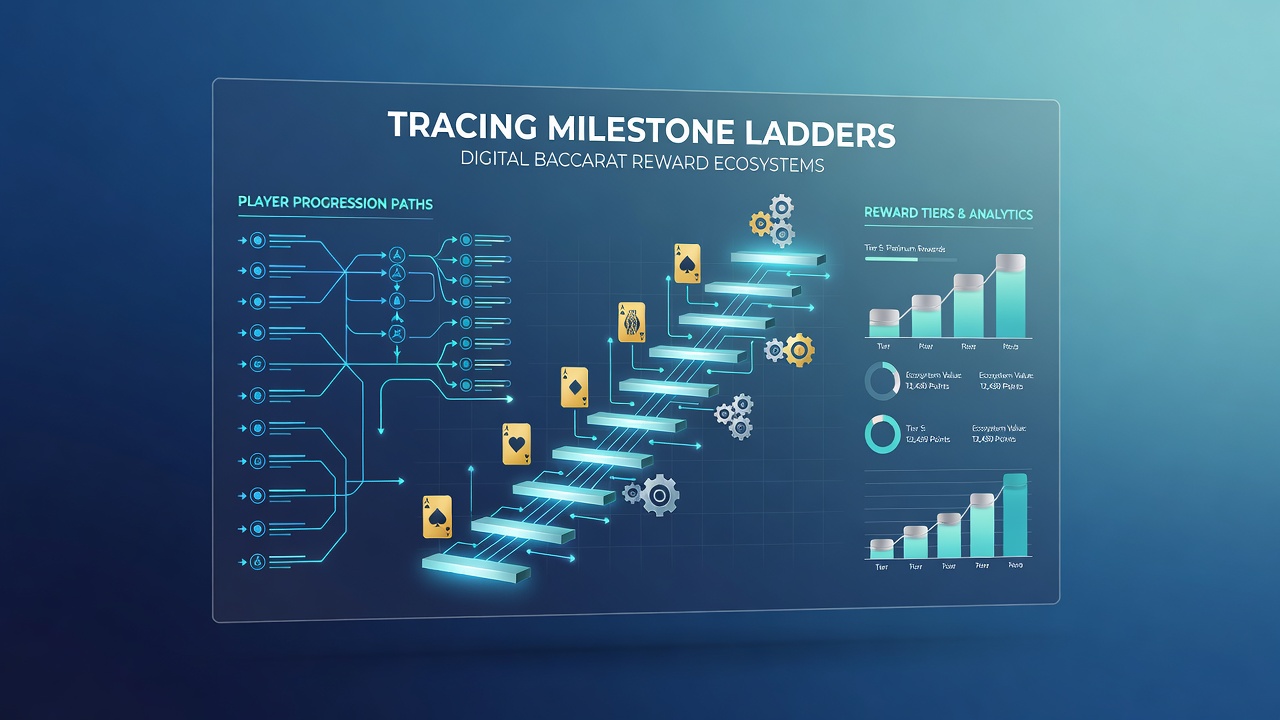
Cross-device synchronization ensures that progress recorded on a desktop session carries over to a mobile app without interruption, and this continuity prevents players from losing accumulated points when they change hardware. Operators achieve this by maintaining centralized player profiles that update across servers located in different data centers, and the process occurs through encrypted channels that comply with regional data-protection standards.
Regulatory Context in Mid-2026
June 2026 brought updated compliance requirements in several North American markets that affect how operators document milestone calculations and disclose reward probabilities to players. Regulators now require transparent reporting on the algorithms that determine point allocation, and platforms must retain audit trails showing every ladder advancement for a minimum period. Those measures aim to prevent discrepancies between advertised benefits and actual outcomes while allowing continued innovation in reward design.
Operators have responded by publishing simplified summaries of their ladder mechanics alongside full technical documentation available to oversight bodies. This dual approach satisfies both regulatory demands and player curiosity without exposing proprietary code, and similar frameworks have begun appearing in Australian state licensing conditions as well.
Integration With Broader Ecosystems
Milestone ladders rarely function in isolation because platforms connect them to tournament entry systems, seasonal events, and partner promotions that award bonus points outside regular play. A player might receive extra progression credit for participating in a live-streamed baccarat series or for completing challenges tied to sporting calendars, and those external inputs feed directly into the same ladder infrastructure. The result is an interconnected reward network where progress in one area influences opportunities elsewhere.
Industry reports compiled by the Canadian Gaming Association indicate that integrated ladders increase cross-product engagement because points earned in baccarat can sometimes accelerate advancement in slots or poker sections of the same platform. This interoperability requires careful calibration to avoid unintended acceleration that could destabilize the intended reward economics.
Conclusion
Milestone ladders continue to evolve as digital baccarat environments grow more sophisticated, and the systems now rely on precise data handling, regulatory compliance, and cross-platform integration to deliver consistent player progression. Observers expect further refinement in teh coming years as new reporting standards and technological capabilities reshape how operators structure and communicate these reward pathways.