Tracing Loyalty Cycles Through Biometric Verification in Cross-Border Digital Card Sessions
Written by Zoe Becker · Jul 23, 2026
Tracing Loyalty Cycles Through Biometric Verification in Cross-Border Digital Card Sessions
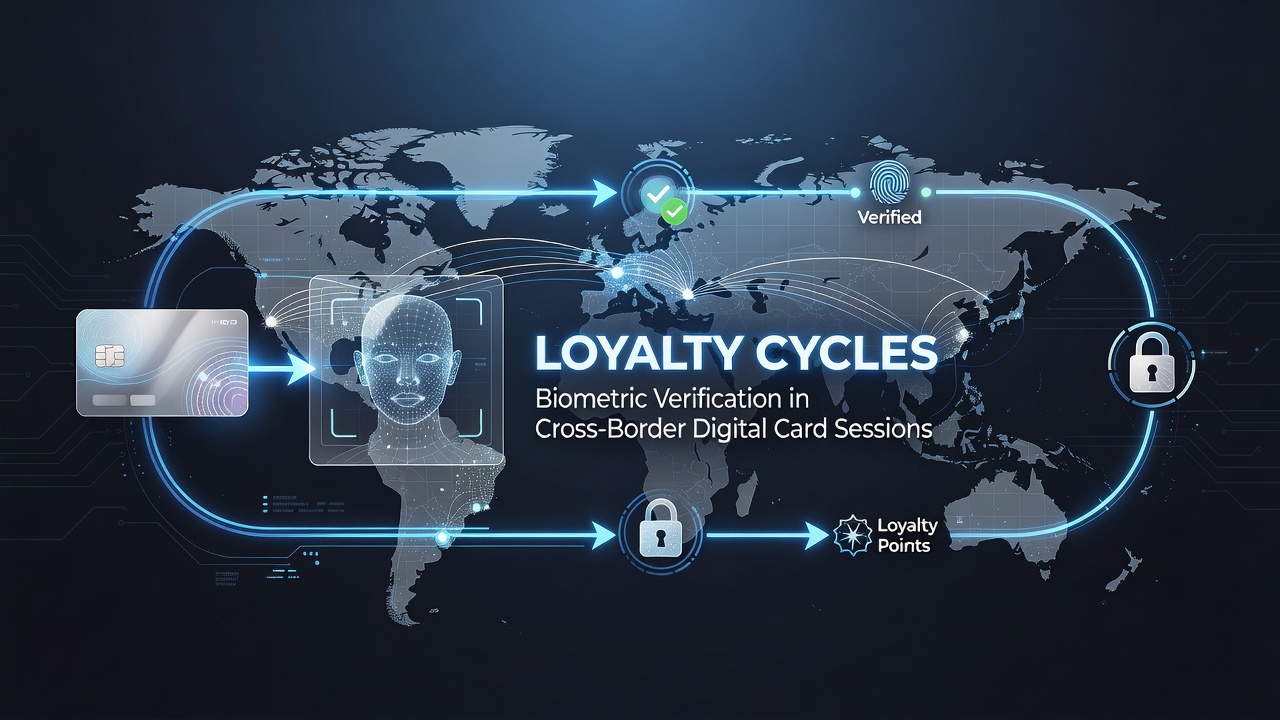
Digital card sessions increasingly rely on biometric verification to establish user identity across multiple jurisdictions, and this process allows operators to map loyalty cycles with greater precision than traditional methods permit. Systems capture facial recognition data, fingerprint scans, or iris patterns at the point of card activation, then link those markers to transaction histories that span borders. Researchers have documented how such integrations create continuous records of user engagement, revealing patterns in reward accumulation and redemption that repeat over defined intervals.
Core Mechanisms of Biometric Tracking
Verification begins when a user initiates a session with a digital card issued by a financial institution or loyalty program operator, and the platform compares live biometric input against stored templates held in secure databases. Once matched, the system attaches the session to an existing loyalty profile without requiring separate account numbers or passwords. Data from multiple countries flows through encrypted channels that comply with regional privacy rules, allowing operators to observe how points or benefits accrue during travel-related purchases or cross-border retail activity. Studies conducted by academic teams at the University of Melbourne show that biometric linkage reduces duplicate accounts by up to 27 percent in tested airline loyalty programs operating between Australia and Southeast Asia.
Cross-border data transfers occur under frameworks such as the EU's data protection regulations and Canada's Personal Information Protection and Electronic Documents Act, both of which set standards for consent and storage duration. When a traveler moves from one region to another, the biometric marker serves as the constant identifier that stitches together otherwise fragmented records. Operators therefore observe full loyalty cycles, from initial enrollment through repeated redemptions, without gaps caused by device changes or temporary network restrictions.
Mapping Cycle Patterns Across Regions
Loyalty cycles typically unfold over 90 to 180 day windows, and biometric verification supplies the timestamps needed to chart each phase accurately. In practice, a user who enrolls in a hotel rewards program in Europe may complete subsequent stays in North America, yet the biometric record keeps the cycle intact. Reports issued by the Canadian Institute for Health Information in mid-2025 noted similar continuity in health-related loyalty schemes that track wellness points earned during international medical tourism. July 2026 marks the scheduled rollout of updated interoperability guidelines from the Asia-Pacific Economic Cooperation forum, which aim to standardize biometric template formats used by card issuers across member economies.
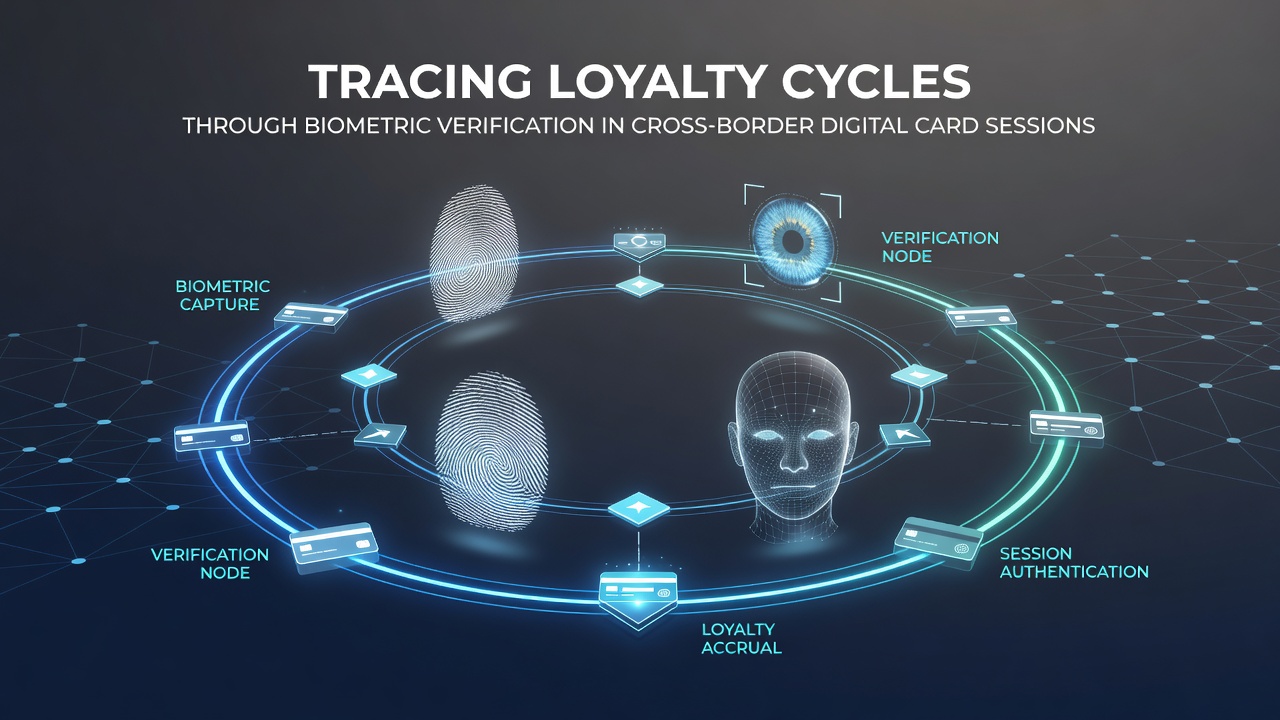
Operators gain visibility into redemption spikes that align with seasonal travel patterns, and they adjust reward structures accordingly. For instance, one European card network reported that biometric-tracked users redeemed 18 percent more points during summer months when cross-border movement increased. The same data sets also flag dormant periods, prompting automated outreach that reactivates cycles before points expire. Because the biometric identifier remains constant, outreach occurs through the user's preferred channel regardless of the country where the next session originates.
Regulatory and Technical Considerations
Authorities in Australia and the European Union have published guidance requiring explicit consent for biometric data collection in loyalty contexts, and they mandate regular audits of template storage practices. These rules influence how operators design cross-border sessions, often requiring separate consent flows for each jurisdiction involved. Technical standards developed by the International Organization for Standardization support template interoperability while limiting the amount of raw biometric data that travels between systems. Observers note that programs adopting these standards experience fewer verification failures during peak travel periods.
Industry associations such as the Global Business Travel Association have compiled case studies illustrating how biometric linkage improves cycle completion rates in corporate card programs. One documented example involved a multinational firm whose employees accumulated and redeemed travel points across 14 countries without account fragmentation. The study attributes the outcome to consistent biometric checks performed at each digital card session, regardless of location.
Conclusion
Biometric verification supplies a stable thread that connects loyalty activities across borders, enabling operators to trace complete cycles from enrollment to redemption. Regulatory updates scheduled for July 2026 and existing frameworks in multiple regions continue to shape the technical and legal boundaries of these systems. Data from academic and industry sources indicates measurable improvements in record accuracy and cycle visibility when biometric markers replace or supplement traditional identifiers. Continued adoption across sectors will depend on alignment between technical standards and regional privacy requirements that govern cross-border data movement.