How Baccarat Incentives Integrate with Blockchain Verification Protocols in Emerging Digital Card Platforms
Written by Rosa Vogel · Nov 6, 2026
How Baccarat Incentives Integrate with Blockchain Verification Protocols in Emerging Digital Card Platforms
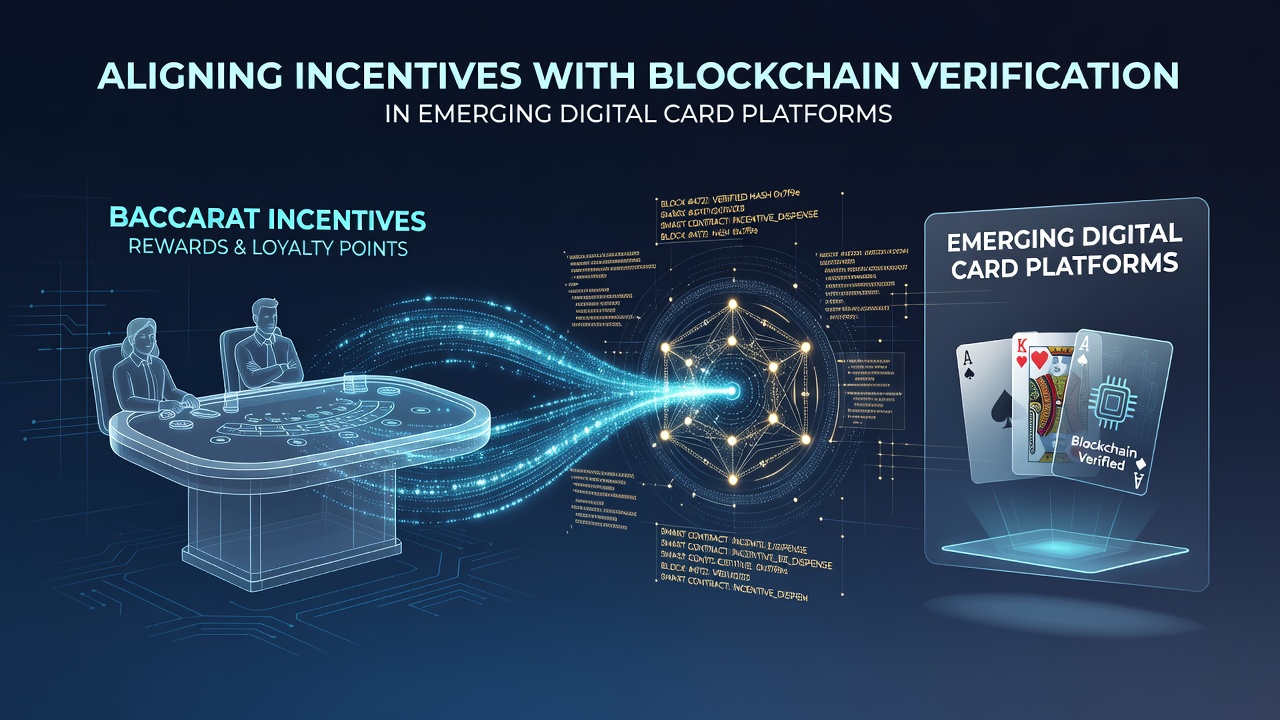
Digital card platforms have expanded rapidly since 2024, and baccarat incentives now incorporate blockchain verification to confirm player eligibility and transaction integrity across decentralized networks. These systems record every deposit, bonus activation, and payout on immutable ledgers, which reduces disputes while maintaining compliance with regional licensing requirements. Observers note that incentives such as deposit matches and loyalty tiers trigger smart contracts only after multi-signature verification confirms the player's identity and account status.
Core Components of Blockchain Verification in Card Gaming
Blockchain protocols in these environments rely on distributed consensus mechanisms that validate each incentive claim through cryptographic hashes, and platforms distribute these records across nodes located in multiple jurisdictions. When a player qualifies for a rebate or matched deposit, the system generates a timestamped entry that participating validators must approve before funds release. Data from operating networks shows transaction settlement times averaging under four seconds once consensus completes, and this speed supports real-time gameplay without interrupting card draws or betting sequences.
Verification layers also separate promotional funds from player balances through tokenized representations, which allows operators to audit incentive distribution without exposing full wallet details. Researchers at academic institutions have documented how zero-knowledge proofs enable platforms to confirm eligibility criteria, such as wagering volume or account age, while preserving user privacy. In practice this means a high-volume participant can receive a tiered reward without revealing prior transaction history to every network participant.
Alignment Between Incentives and Verification Workflows
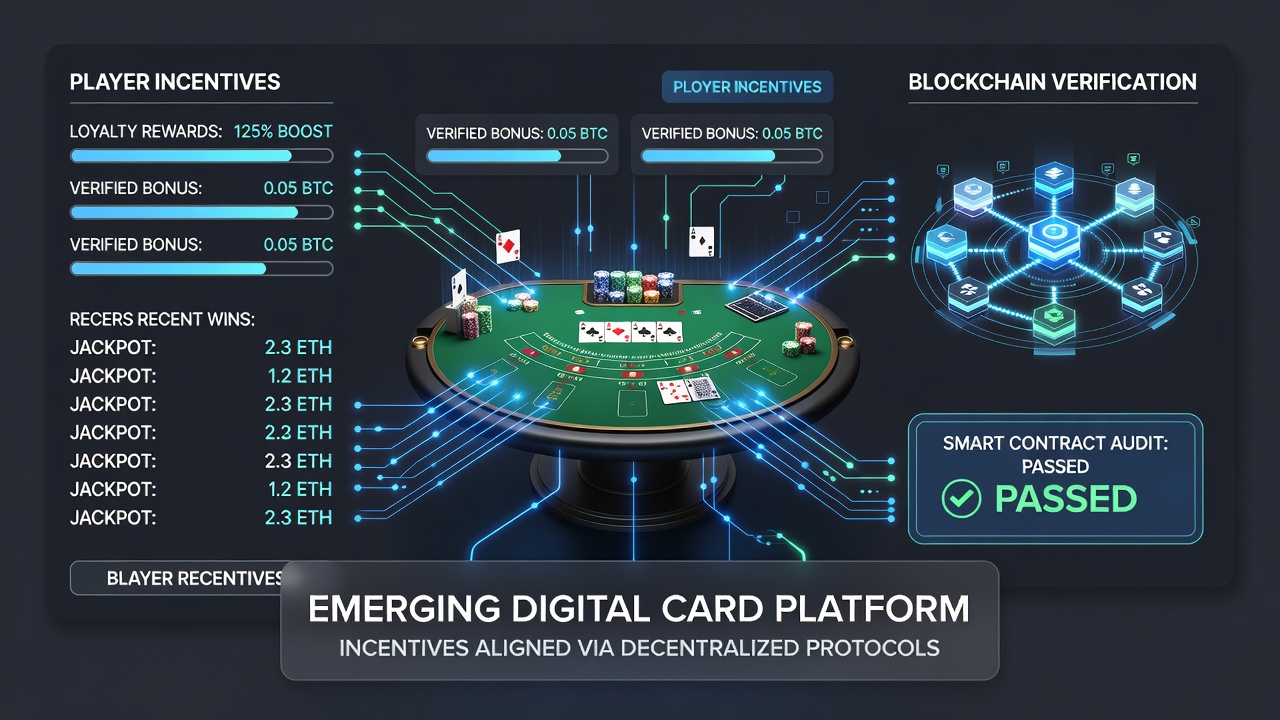
Baccarat promotions align with these protocols because smart contracts execute automatically when predefined conditions appear on the ledger. A matched deposit offer, for instance, activates only after the deposit transaction receives sufficient confirmations and the player's location data satisfies geo-fencing rules encoded in the contract. This process eliminates manual review steps that traditional systems required, and operators report fewer processing delays during peak evening hours in November 2026 when several major platforms rolled out updated node software.
Rebate structures further demonstrate the connection because each qualifying loss generates an on-chain event that triggers a proportional payout once the verification threshold passes. Platforms embed these rules directly into the protocol rather than maintaining separate databases, which reduces the risk of mismatched records between front-end displays and backend accounting. Industry reports indicate that such integration has lowered reconciliation errors by measurable percentages across monitored operators since the beginning of 2025.
Regional Regulatory Influences and Platform Adaptations
Regulatory bodies in different regions have begun referencing blockchain audit trails when reviewing operator license renewals, and the Gambling Research Exchange Ontario has published analyses of how on-chain data supports responsible gambling checks. Canadian frameworks emphasize verifiable records of incentive distribution to ensure promotions do not target vulnerable accounts, while Australian authorities have examined similar ledgers for compliance with local advertising standards. Platforms operating across borders therefore maintain parallel verification nodes that satisfy the strictest applicable rules in each market.
European operators have adopted comparable approaches following guidance from the European Gaming and Betting Association on transparent reward mechanisms. These adaptations include embedding regulatory reporting functions directly into smart contracts so that periodic summaries generate automatically without additional manual compilation. The result is a unified system where incentive alignment and compliance verification occur within the same protocol layer.
Technical Implementation Patterns Observed in 2026
Emerging platforms in late 2026 commonly deploy hybrid architectures that combine permissioned blockchains for sensitive player data with public ledgers for prize pool transparency. This setup allows baccarat tables to process bets at traditional speeds while routing incentive calculations through the slower but more secure verification channel. Engineers have noted that batching multiple small reward events into single blocks improves throughput without compromising the immutability required for audit purposes.
Case examples from live deployments reveal that players receive notification of verified rewards within one minute of meeting the threshold, and disputes have declined because both parties can reference the same immutable entry. Such outcomes demonstrate how incentive structures and verification protocols reinforce each other rather than operate as separate functions.
Conclusion
The integration of baccarat incentives with blockchain verification continues to evolve as platforms refine consensus rules and regulatory expectations shift. Data from multiple jurisdictions indicates that on-chain execution of rewards improves both operational efficiency and audit readiness, while preserving the core mechanics that players expect from digital card environments. Future updates scheduled beyond November 2026 are expected to build on these foundations rather than replace them.