Exploring the Dynamics of Baccarat Incentive Structures Within Integrated Gaming Platforms and Their Impact on Player Retention Cycles
Written by Rosa Vogel · Jul 16, 2026
Exploring the Dynamics of Baccarat Incentive Structures Within Integrated Gaming Platforms and Their Impact on Player Retention Cycles
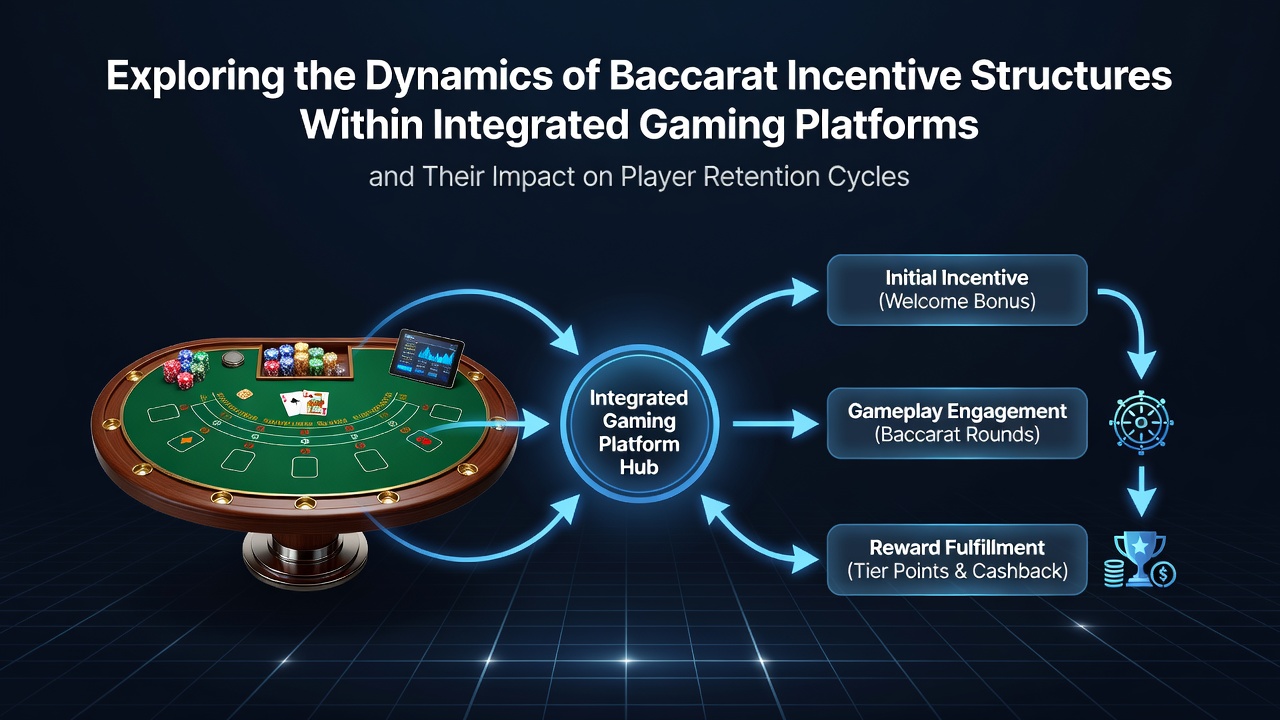
Integrated gaming platforms combine multiple game types into single ecosystems where baccarat incentive structures operate alongside slots, poker, and sports betting modules, and these setups create layered reward mechanisms that track player activity across categories. Data from platform operators shows that baccarat-specific incentives often tie into broader loyalty metrics such as total session time, deposit frequency, and cross-game participation rates, which in turn influence how retention algorithms allocate future offers. In July 2026 several major platforms rolled out updated tracking protocols that sync baccarat hand histories with overall account behavior, allowing systems to adjust incentive triggers based on patterns observed in the preceding six months.
Core Components of Incentive Structures in Unified Platforms
Platform architectures typically embed baccarat incentives within centralized player profiles that aggregate data from every game vertical, and this integration means rewards for baccarat play can unlock benefits that apply elsewhere on the site. Observers note that tiered point systems convert baccarat wagers into universal credits usable for other titles, while dynamic multipliers adjust based on real-time platform traffic and individual play velocity. Those who study these systems find that incentive expiration windows often align with platform-wide promotional calendars, creating synchronized cycles that encourage repeated logins across multiple game types rather than isolated baccarat sessions.
Data Flows and Retention Algorithms
Retention cycles rely on machine learning models that process baccarat betting volumes together with metrics from other platform sections, and these models identify players whose activity shows signs of decline before deploying targeted interventions. Figures from industry reports indicate that platforms using unified data lakes achieve higher reactivation rates because they can offer incentives calibrated to a player's entire history instead of baccarat-only statistics. Researchers at institutions tracking gaming behavior have documented cases where cross-vertical incentives reduced churn by linking baccarat milestones to rewards in adjacent game categories, thereby extending overall account lifespan.
What's interesting is how seasonal platform events intersect with these cycles. During periods of high traffic, baccarat incentives may shift toward volume-based thresholds that also grant access to limited-time features in other sections of the platform. This approach keeps players engaged through interconnected goals rather than standalone baccarat promotions, and the resulting retention loops become self-reinforcing as continued activity generates fresh data points for the algorithms to refine future offers.
Platform Integration Effects on Player Behavior Patterns
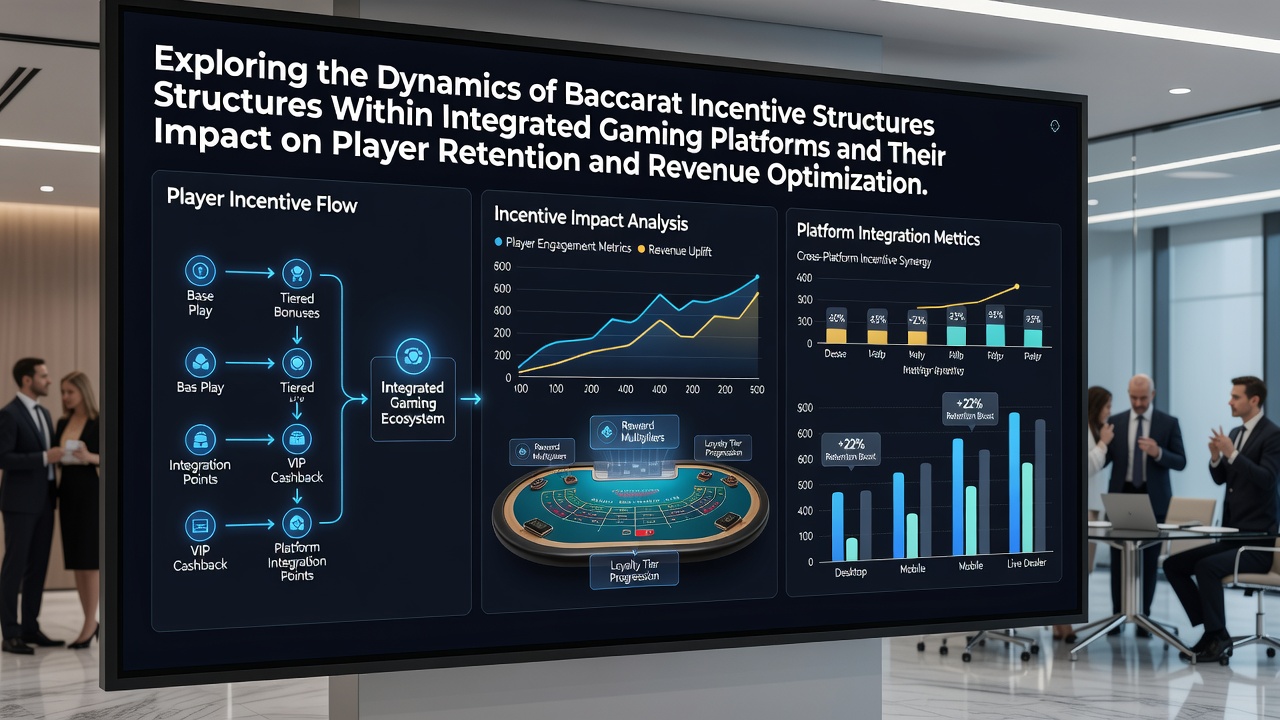
Integrated environments allow baccarat incentive structures to respond to signals from non-baccarat activity, such as when a player shifts focus to live dealer tables or mobile-optimized slots. According to reports published by the Nevada Gaming Control Board, operators that synchronize incentive delivery across devices see measurable differences in session continuity compared with siloed systems. Those patterns emerge because players receive prompts that reference recent baccarat performance while simultaneously highlighting opportunities elsewhere, creating fluid movement between game types that sustains overall platform engagement.
One study released by Monash University researchers examined how unified reward ledgers affect high-frequency baccarat participants, and the findings showed extended intervals between account dormancy periods when incentives incorporated platform-wide progress tracking. The data further revealed that players who accumulated credits through baccarat could redeem them in ways that introduced new game categories, gradually broadening their activity footprint and lengthening the retention window.
Regulatory and Technological Context in Mid-2026
By July 2026 regulatory updates in multiple jurisdictions required greater transparency around how integrated platforms calculate and distribute incentives tied to specific games like baccarat. These rules prompted operators to publish clearer breakdowns of point conversion rates and eligibility criteria, which in turn influenced how retention models prioritized certain player segments. Platform engineers responded by refining segmentation tools that separate baccarat-centric cohorts from broader user bases while still allowing shared infrastructure for reward delivery.
Technological advances in real-time analytics have enabled platforms to test incentive variations at scale, measuring immediate effects on login frequency and deposit patterns following baccarat sessions. External audits of these systems confirm that retention improvements correlate with the depth of integration rather than the size of individual rewards, as players respond to consistent, personalized feedback loops that span the entire platform.
Conclusion
Integrated gaming platforms continue to evolve baccarat incentive structures by embedding them within comprehensive data ecosystems that drive retention through interconnected activity tracking. Evidence from regulatory filings and academic analyses demonstrates that these approaches produce measurable extensions in player lifecycle metrics when cross-game synergies are leveraged effectively. As platforms refine their models through 2026 and beyond, the interplay between baccarat-specific triggers and broader platform dynamics remains a central factor in shaping sustained user engagement.