Dissecting algorithmic triggers behind tailored credit cycles for baccarat participants in multi-platform ecosystems
Written by Rosa Vogel · Jun 22, 2026
Dissecting algorithmic triggers behind tailored credit cycles for baccarat participants in multi-platform ecosystems
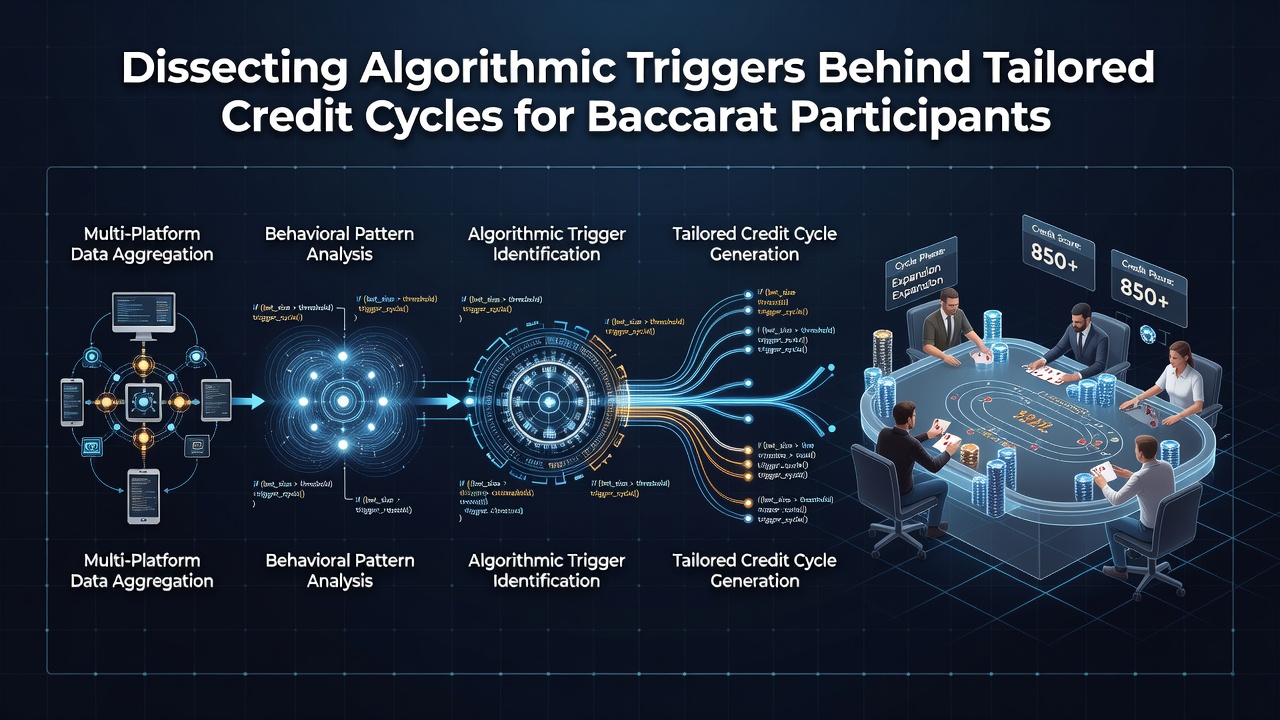
Platform operators track player behavior across desktop sites, mobile applications, and live dealer interfaces to identify specific patterns that initiate customized credit offers in baccarat. Data collection begins the moment a participant logs in, and algorithms process variables such as session duration, average bet size, and cross-device transitions before any credit adjustment occurs. Researchers at several gaming analytics firms note that these systems operate continuously, updating profiles in real time rather than on fixed schedules.
Core data inputs that activate credit adjustments
Multiple data streams feed into the decision engines, and each stream carries distinct weight depending on the operator's configuration. Session length combines with win-loss ratios to form one primary cluster, while frequency of platform switches adds another layer that signals engagement levels. Payment history, including deposit patterns and withdrawal timing, enters the model alongside geographic indicators derived from IP addresses and device locations. Observers point out that baccarat-specific metrics, such as the number of hands played per hour and the preference for certain side bets, receive elevated priority because they correlate directly with table velocity and house edge exposure.
Temporal and behavioral markers in multi-platform environments
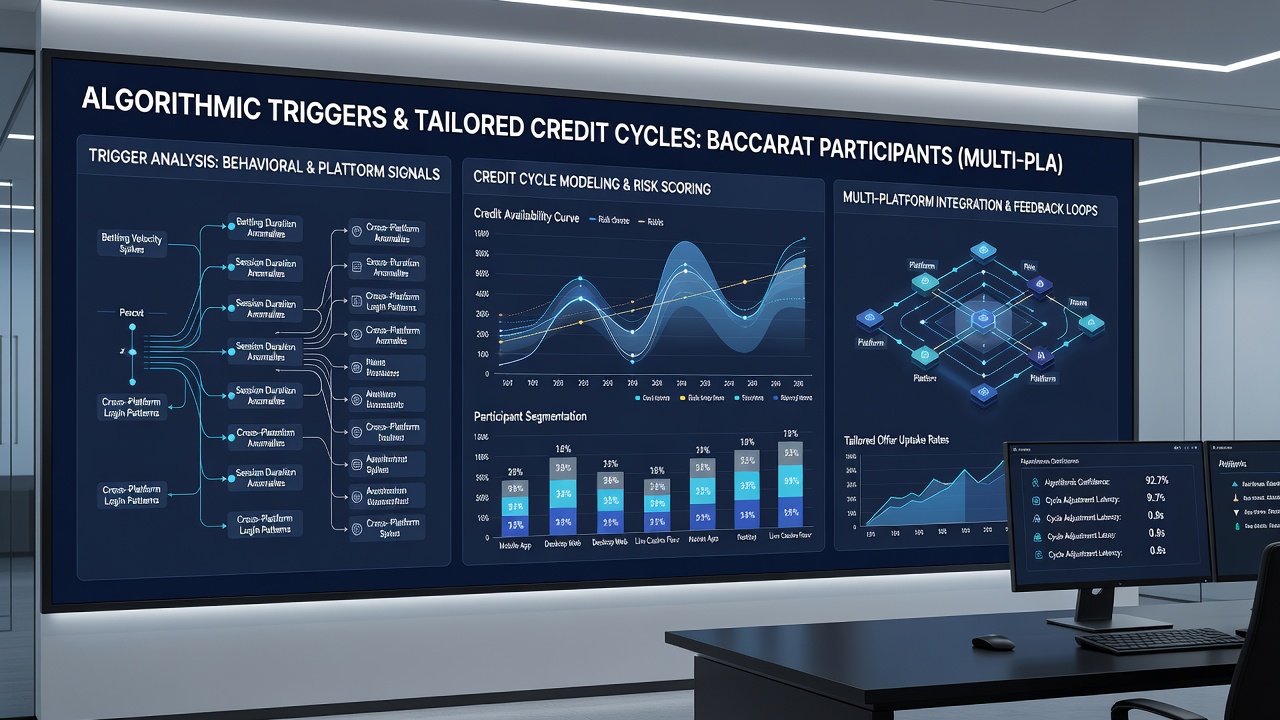
Algorithms assign higher sensitivity to evening hours across time zones when baccarat tables typically see peak volume, yet they also flag unusual daytime activity on mobile devices as a potential trigger for immediate credit review. A participant who moves from desktop play to a mobile session within a short window often encounters accelerated credit evaluations because the system interprets rapid device changes as sustained interest. Behavioral sequences matter as well: consecutive losses followed by an immediate deposit increase the probability of a credit cycle activation, while steady wins paired with consistent bet sizing may delay or reduce the same offer. Studies conducted by the International Center for Gaming Regulation at the University of Nevada document these layered decision trees and show how operators refine weights quarterly to maintain balance between player retention and risk exposure.
Cross-device synchronization and credit lifecycle timing
Operators maintain unified player profiles that merge activity from every connected platform, allowing credit decisions to reflect a complete picture rather than isolated sessions. When a participant shifts from a live casino application to an online table, the algorithm recalculates available credit lines within seconds and may extend temporary increases if the combined data meets internal thresholds. June 2026 updates to several major platforms introduced tighter synchronization protocols that reduced latency between devices, resulting in more consistent credit availability across ecosystems. Figures from industry reports indicate that synchronized profiles now handle over 85 percent of baccarat traffic for leading operators, and this integration directly influences how quickly tailored offers reach eligible players.
Regulatory frameworks shaping algorithmic parameters
Government agencies impose boundaries on how credit decisions can incorporate certain data points, and operators adjust models accordingly to remain compliant. The Nevada Gaming Control Board requires transparency in automated credit extensions, while Australian state regulators mandate regular audits of algorithmic fairness in reward distribution. These rules affect trigger sensitivity, particularly when systems consider player location or device type, and force operators to document every variable that contributes to a credit decision. Compliance teams review logs monthly, and any deviation from approved parameters triggers internal reviews before the next software deployment cycle.
Integration with external event calendars
Algorithms incorporate scheduled events such as major sporting tournaments and regional holidays to modulate credit availability windows. Data shows elevated trigger rates during periods when baccarat participation historically rises, yet the same systems reduce sensitivity during low-traffic intervals to control overall exposure. Partnerships between platforms and event organizers supply additional inputs that refine timing accuracy, allowing credit cycles to align with anticipated traffic spikes without manual intervention. Those who manage these systems report that external calendar integration has become standard practice across multi-platform deployments since late 2025.
Conclusion
Algorithmic triggers for tailored credit cycles in baccarat rely on continuous analysis of behavioral, temporal, and cross-platform data streams that operators refine through regulatory compliance and performance metrics. As synchronization improves and external inputs gain precision, the mechanisms that determine credit availability continue to evolve within established legal frameworks. Players encounter these systems indirectly through the timing and scale of offers they receive, while the underlying decision logic remains governed by documented parameters and periodic audits.