Adapting to Portable Play: The Changing Face of Incentives for Baccarat Participants on Handheld Devices
Written by Parker Roth · May 21, 2026
Adapting to Portable Play: The Changing Face of Incentives for Baccarat Participants on Handheld Devices
The shift toward handheld devices has reshaped how baccarat operators structure incentives for participants who prefer portable sessions over traditional desktop or in-person formats, and data compiled through May 2026 highlights measurable adjustments across multiple markets. Casinos now deploy targeted rewards that align with shorter play intervals, variable connection speeds, and on-the-go decision making typical of mobile environments, while regulatory bodies track these developments to ensure compliance with fairness standards.
Portable Baccarat Growth Patterns
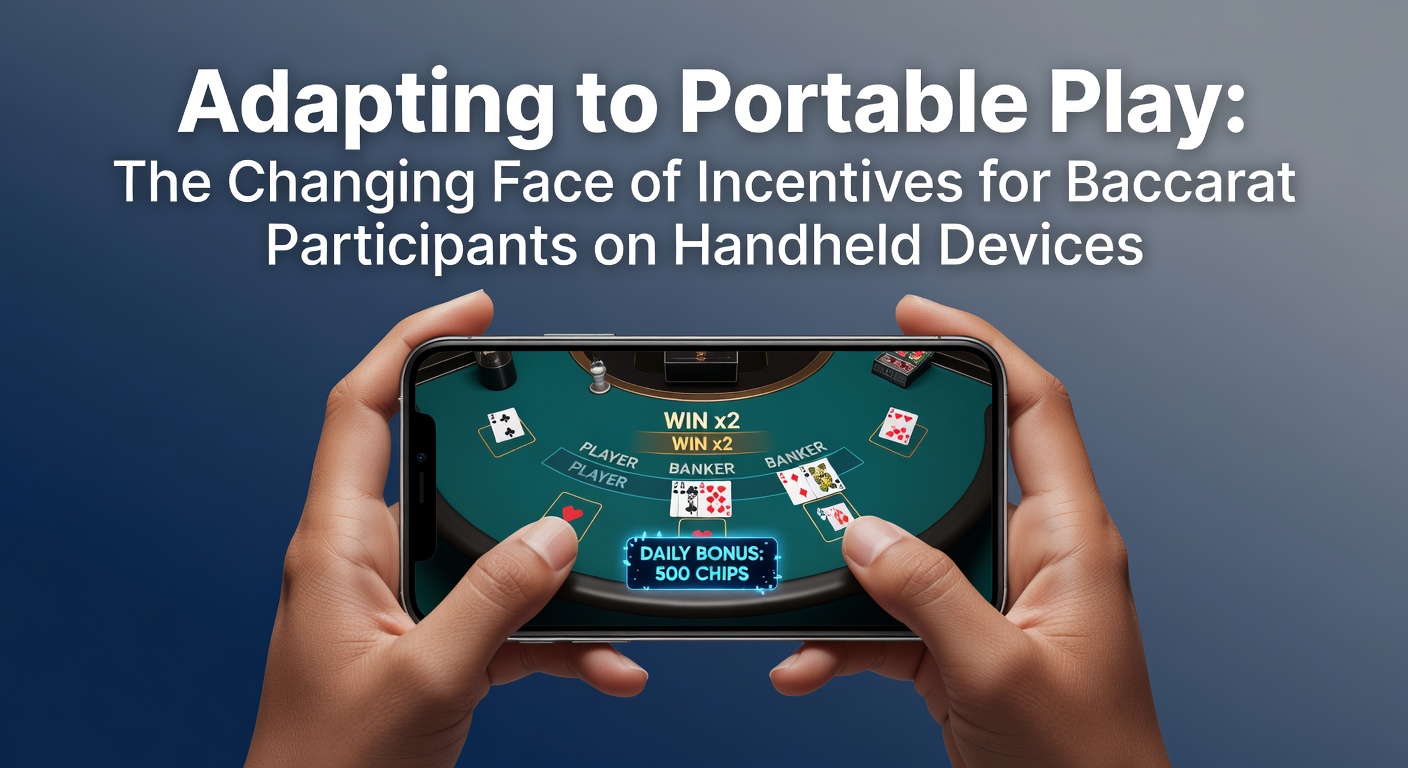
Participation metrics indicate a steady rise in baccarat activity conducted exclusively through smartphones and tablets, with operators responding by redesigning loyalty frameworks that previously emphasized high-volume table time or extended login streaks. Research from the American Gaming Association shows that mobile baccarat sessions average 22 minutes compared with 47 minutes on fixed platforms, prompting operators to introduce micro-rewards such as instant cashback on individual rounds rather than cumulative session totals.
These adaptations appear in regions where handheld gaming regulations permit real-money play, and they reflect broader trends documented in industry reports that emphasize accessibility over marathon engagement. Participants who switch between devices mid-session often receive continuity bonuses that preserve progress across platforms, a feature introduced widely after testing phases concluded in late 2025.
Tailored Reward Mechanics for Mobile Users
Operators have introduced device-specific multipliers that activate only when play occurs through verified mobile applications, and these multipliers frequently combine with time-of-day incentives tied to peak commuting hours or evening downtime periods. One program rolled out across several North American platforms awards additional comp points for completing baccarat hands during detected location changes, such as travel between home and work, while maintaining strict geofencing boundaries required by local statutes.
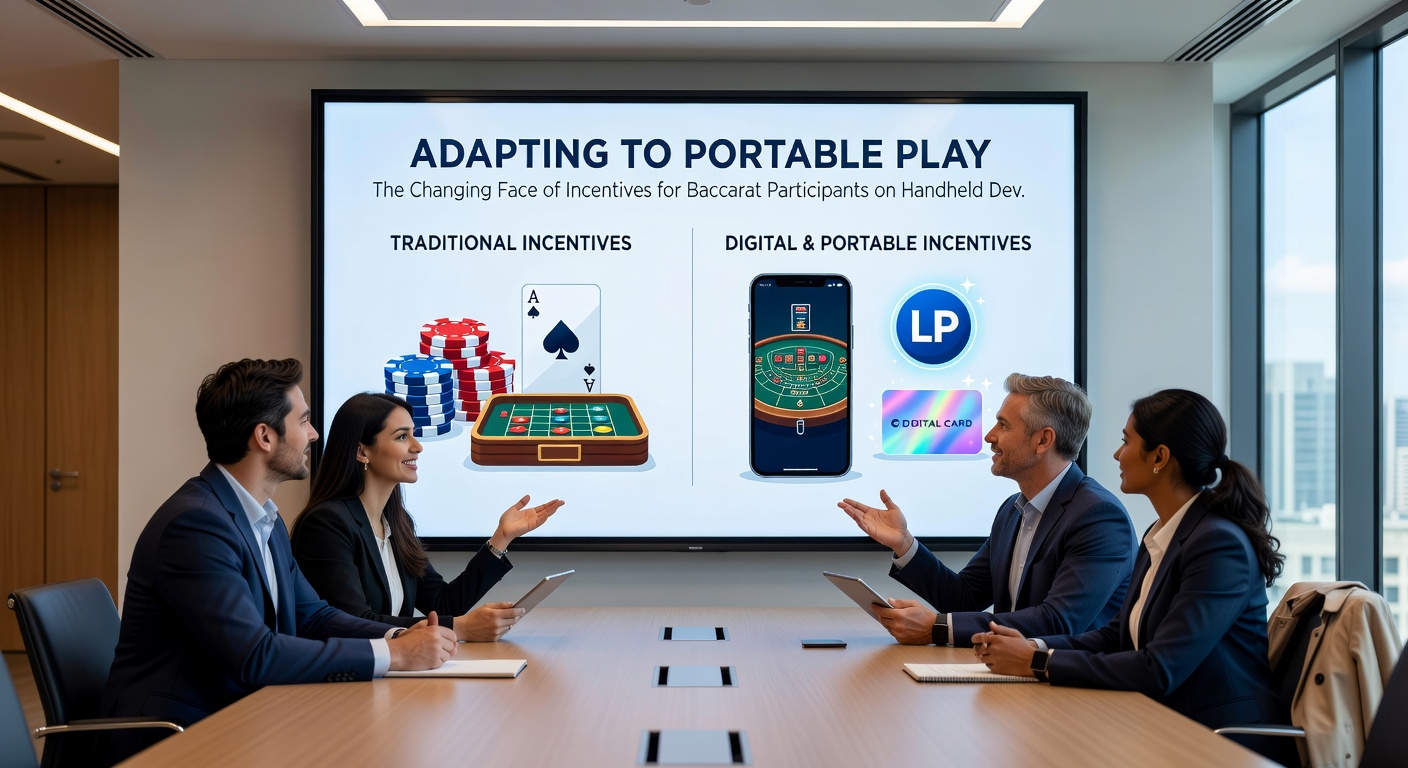
Rebate structures have also evolved to accommodate interrupted connections common in mobile settings, with partial round protection policies now standard in many jurisdictions. Figures from the Nevada Gaming Control Board reveal that mobile baccarat rebate claims increased 31 percent year-over-year through the first quarter of 2026, largely attributed to automated systems that calculate and apply credits within seconds of session resumption.
Regulatory and Technological Influences
Regulatory updates issued in various provinces have required clearer disclosure of mobile-only promotions, leading operators to embed detailed terms directly into app interfaces rather than separate web pages. This approach reduces friction for participants who discover new incentives while already engaged in a round, and it aligns with recommendations from academic studies on user behavior in portable gambling environments.
Technological partnerships between software providers and payment processors have enabled seamless integration of digital wallets that trigger bonus eligibility based on transaction size and device type. Observers note that these integrations often include optional push notifications that alert users to limited-time mobile baccarat challenges, though participation remains entirely voluntary and subject to jurisdictional limits.
Examples from Different Markets
In one documented rollout, a Canadian operator adjusted its tiered loyalty system so that handheld baccarat participants accumulate points at an accelerated rate during the first five hands of each session, after which standard rates apply. This structure encourages initial engagement without extending overall play duration, and similar models have appeared in Australian markets where responsible gaming tools must accompany every promotional message.
European platforms meanwhile have experimented with cross-device synchronization rewards that credit participants for maintaining consistent baccarat strategy across both mobile and stationary sessions, though these programs require explicit consent for data sharing between devices. Data from independent research institutions indicates that such synchronization features correlate with higher retention rates among users who frequently alternate between phone and tablet.
Conclusion
Handheld device usage continues to influence incentive design for baccarat, with operators refining reward timing, format, and delivery to match the rhythms of portable play. Regulatory oversight and technological capabilities together shape these adjustments, ensuring that mobile-specific offers remain transparent and compliant across jurisdictions. As session patterns stabilize further, additional refinements to incentive structures are expected to follow documented usage data collected through mid-2026 and beyond.